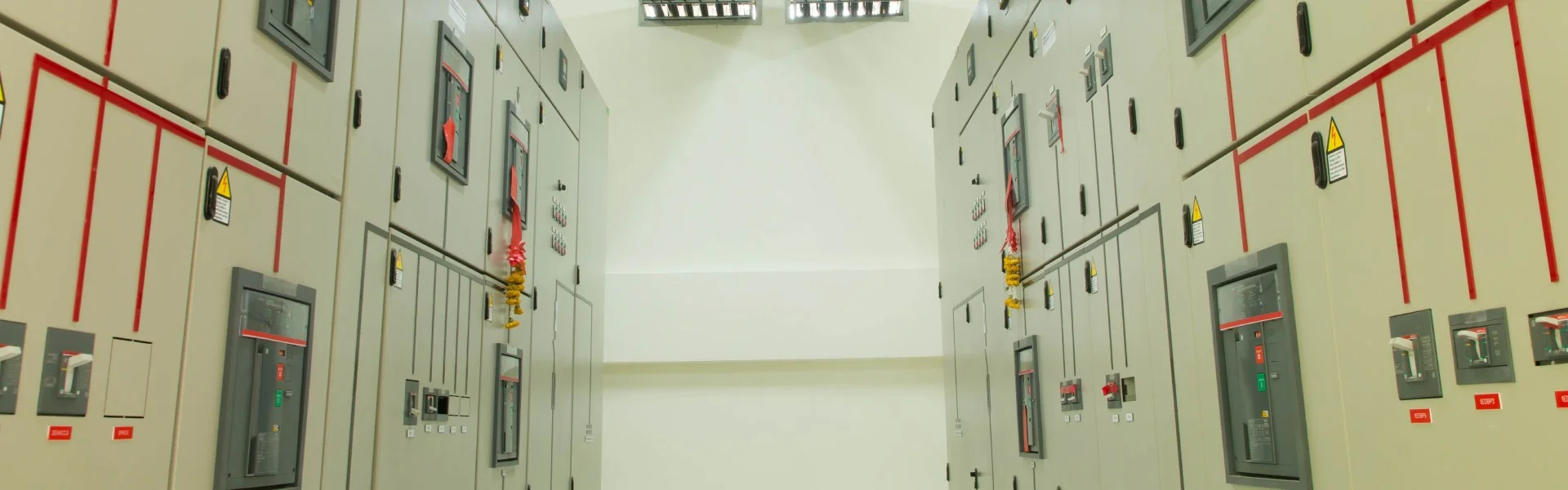
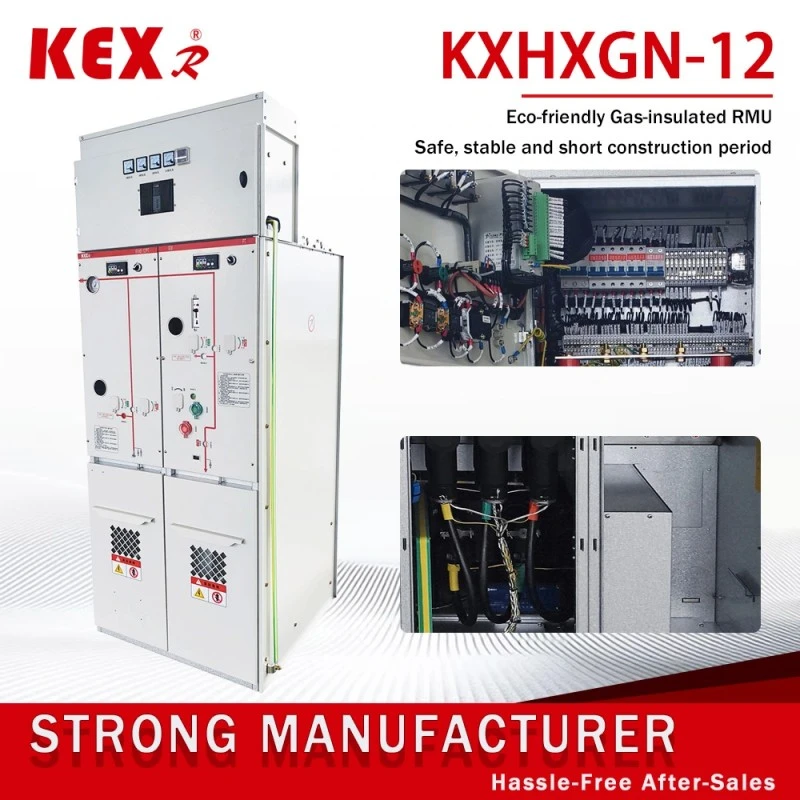
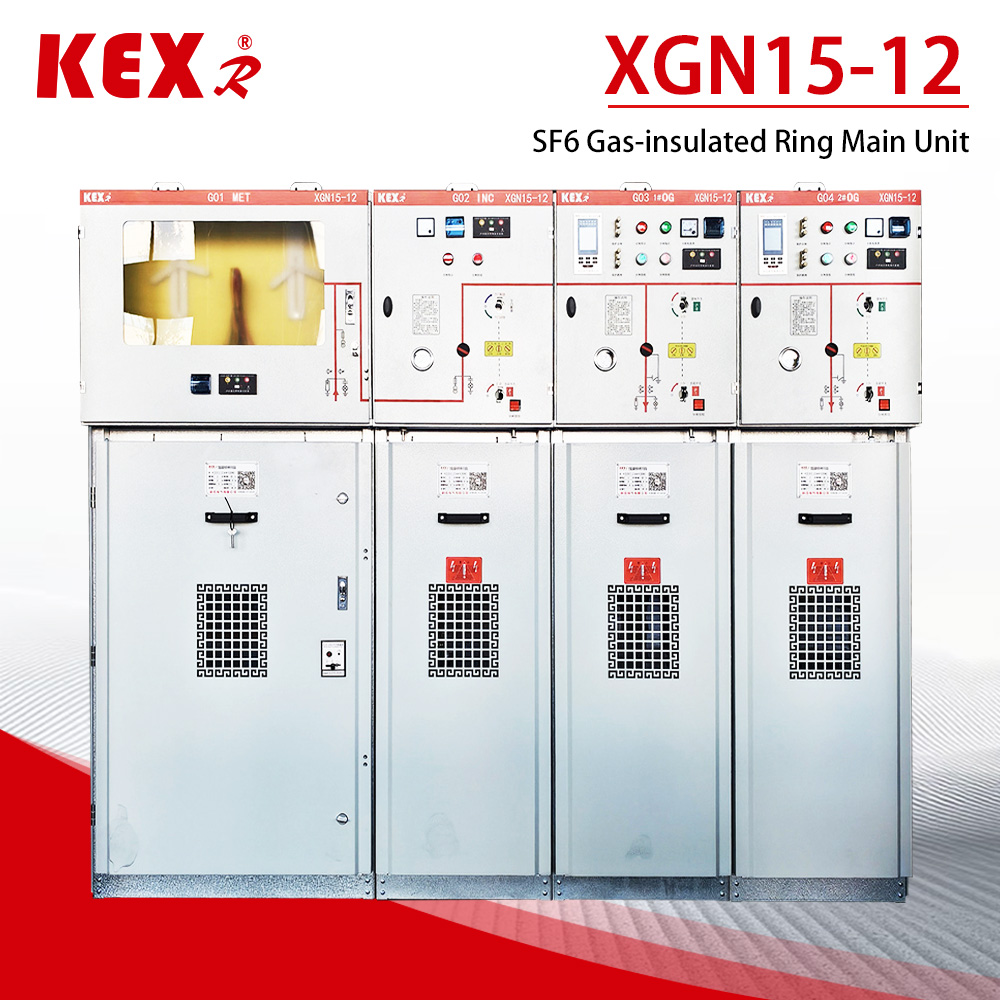
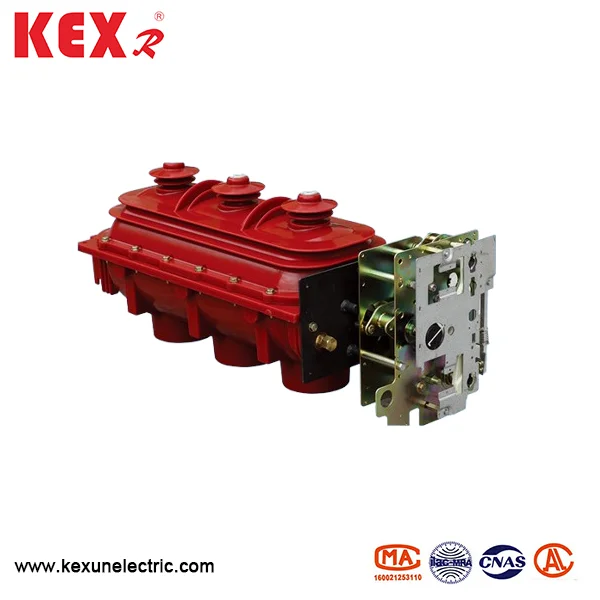
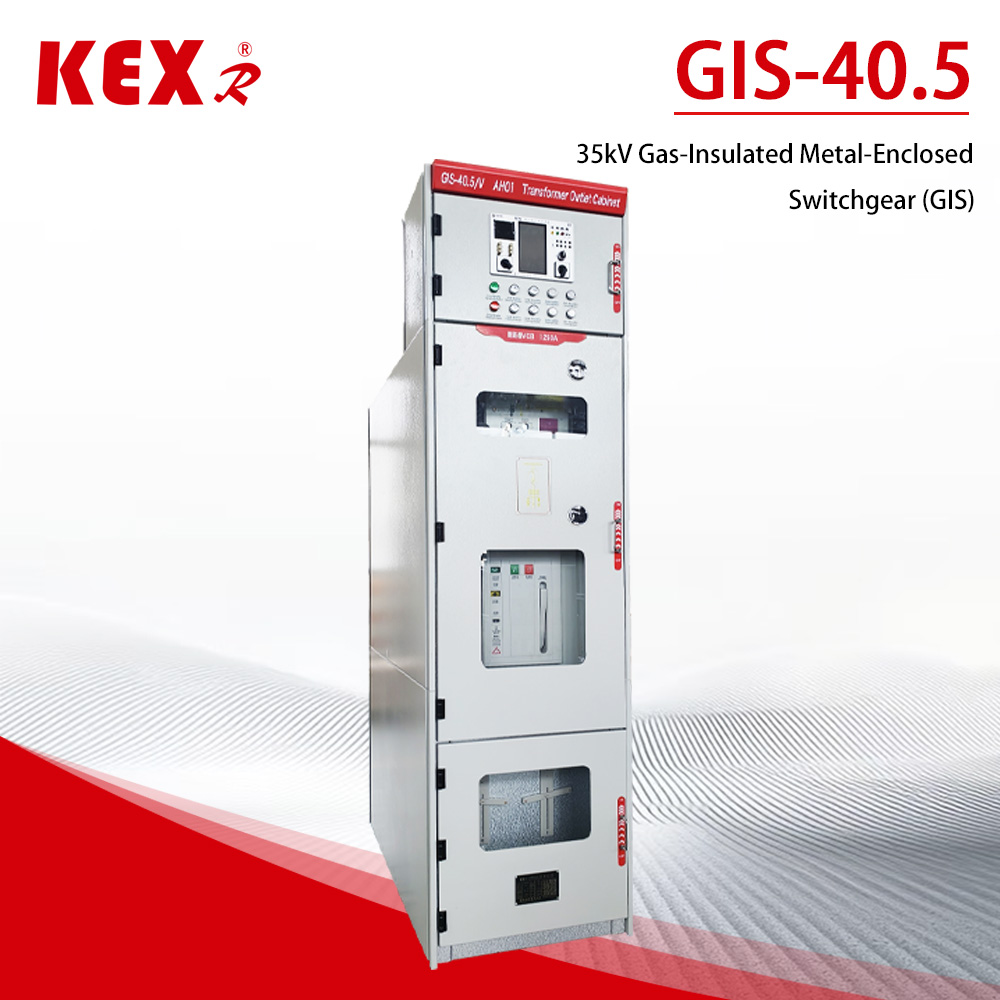
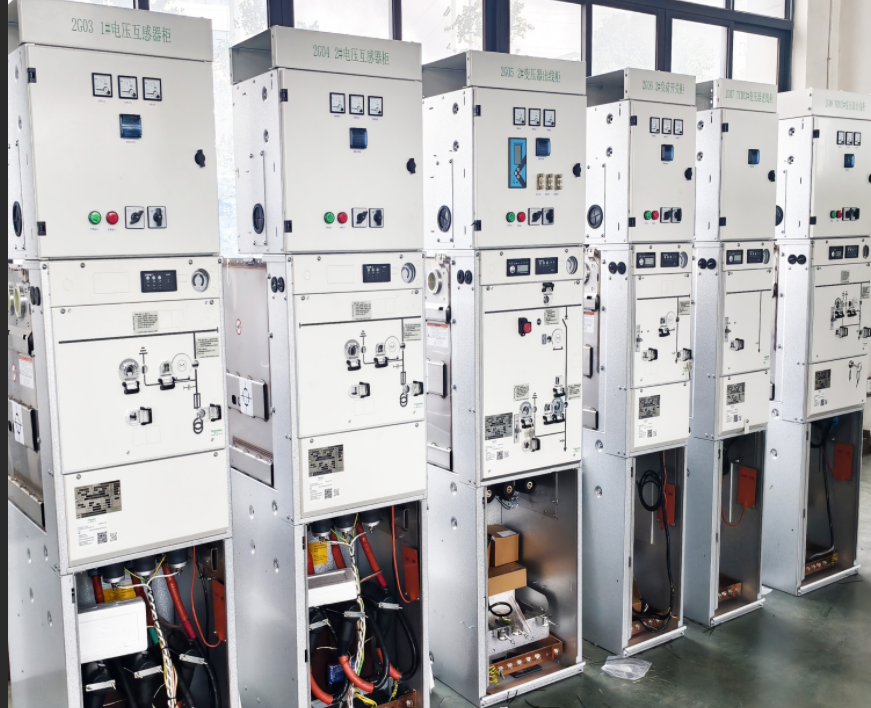
This is the core advantage of the solid cabinet, which is mainly reflected in two aspects:
Completely environmental protection: it does not use SF6 gas at all. SF6 is one of the six greenhouse gases listed in Kyoto Protocol, and its potential greenhouse effect is as high as 23,900 times that of carbon dioxide. Solid cabinet eliminates the risk of greenhouse gas emission and leakage from the source, and is a truly environment-friendly product.
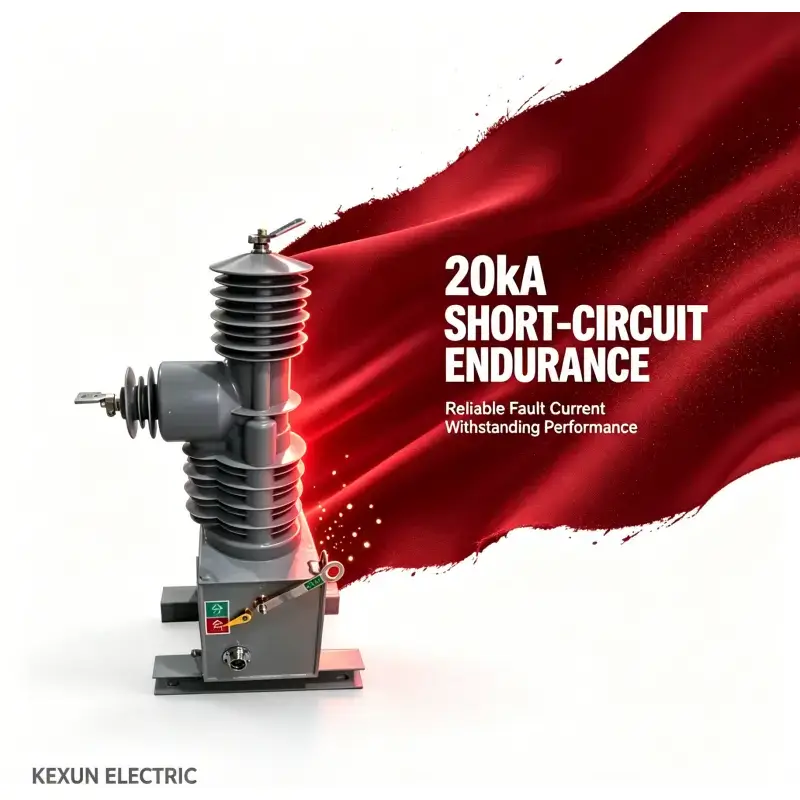
Intrinsic safety: Due to the use of solid materials, there is no risk that the inflatable cabinet will explode due to the pressure change of the air box, and the safety is higher. Its core components, such as vacuum interrupter, main circuit, etc., are completely sealed by solid insulating materials, achieving a fully insulated and fully sealed structure. This makes it impossible for phase-to-phase short circuit to occur in the structure, and the protection level can reach IP67, even it can run in water in a short time.
Strong environmental adaptability
The "all-insulated and all-sealed" characteristics of solid cabinet make it the preferred scheme in harsh natural environment;
Cold resistance: There is no need to worry about the problem that SF6 gas will liquefy at low temperature (SF6 will liquefy at minus 40 degrees), which will lead to the decrease of insulation performance. It can also operate reliably in extremely cold areas at-50 degrees.
Anti-plateau: there is no risk of gas leakage, which is completely suitable for high-altitude areas with thin air and can be used normally at the highest altitude of 5500 meters.
Anti-moisture and sandstorm: the fully sealed structure prevents moisture and sandstorm from eroding the internal live parts. At the same time, the operating mechanism can also be sealed as a whole, effectively preventing rust and jamming.
Modular design, flexibility and intelligence
The design of solid cabinet also follows the development trend of smart grid:
Modular assembly: it adopts modular design of units and can be flexibly combined according to requirements. If a unit breaks down, it can be replaced or expanded independently like building blocks, without replacing the whole unit like an inflatable cabinet, and the maintenance cost and flexibility are greatly improved.
Convenient intellectualization: Voltage and current sensors can be directly embedded in the insulation body, which can conveniently realize on-line monitoring of switch state, temperature rise, mechanical characteristics and other parameters, and meet the requirements of smart grid for equipment automation.
Small size: Because the dielectric strength of solid insulation is much higher than that of air, the insulation distance between phases and ground can be shortened from 125mm of air insulation to several millimeters, so the volume of solid cabinets is usually very compact, which can effectively save the floor space.
Potential limitations
Of course, the solid cabinet is not perfect, and there are also some places to pay attention to in practical application:
It is difficult to maintain: because the core components are completely sealed by epoxy resin, once there is internal failure, it is very difficult to maintain on site, and it is usually necessary to replace the module as a whole. This is also one of the reasons why some manufacturers advertise it as "maintenance-free", because the client can hardly carry out internal maintenance.
Material aging: Solid insulating materials such as epoxy resin have the risk of slow decline in insulation performance under long-term high voltage and high current operation. If the material or process is not enough, partial discharge or even insulation breakdown may occur, so the manufacturing process and material quality are very demanding.
We use cookies to offer you a better browsing experience, analyze site traffic and personalize content. By using this site, you agree to our use of cookies.Privacy Policy