Why more and more customers choose C-GIS?
What is C-GIS?
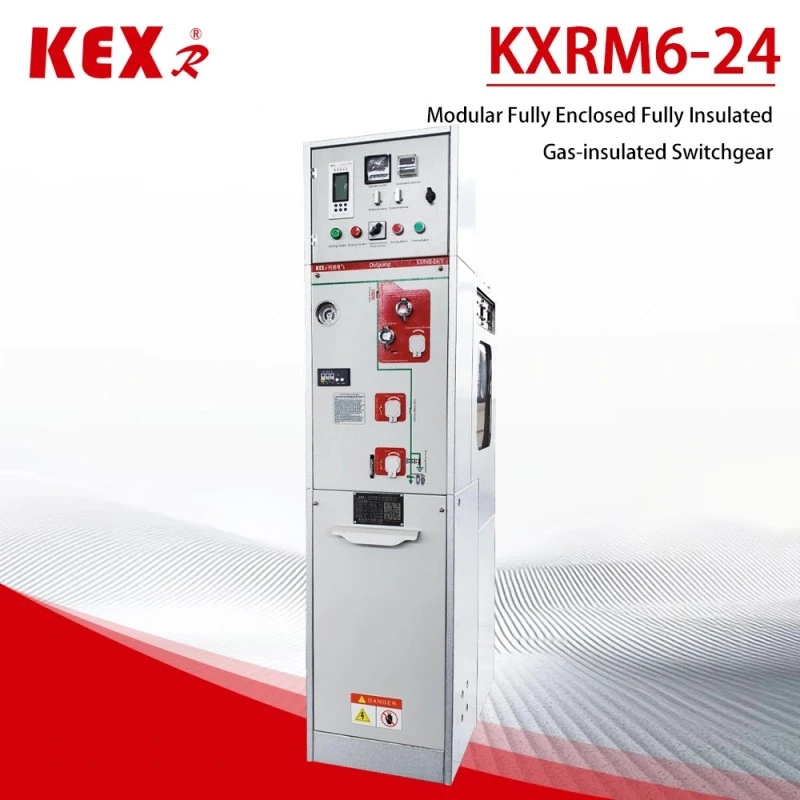
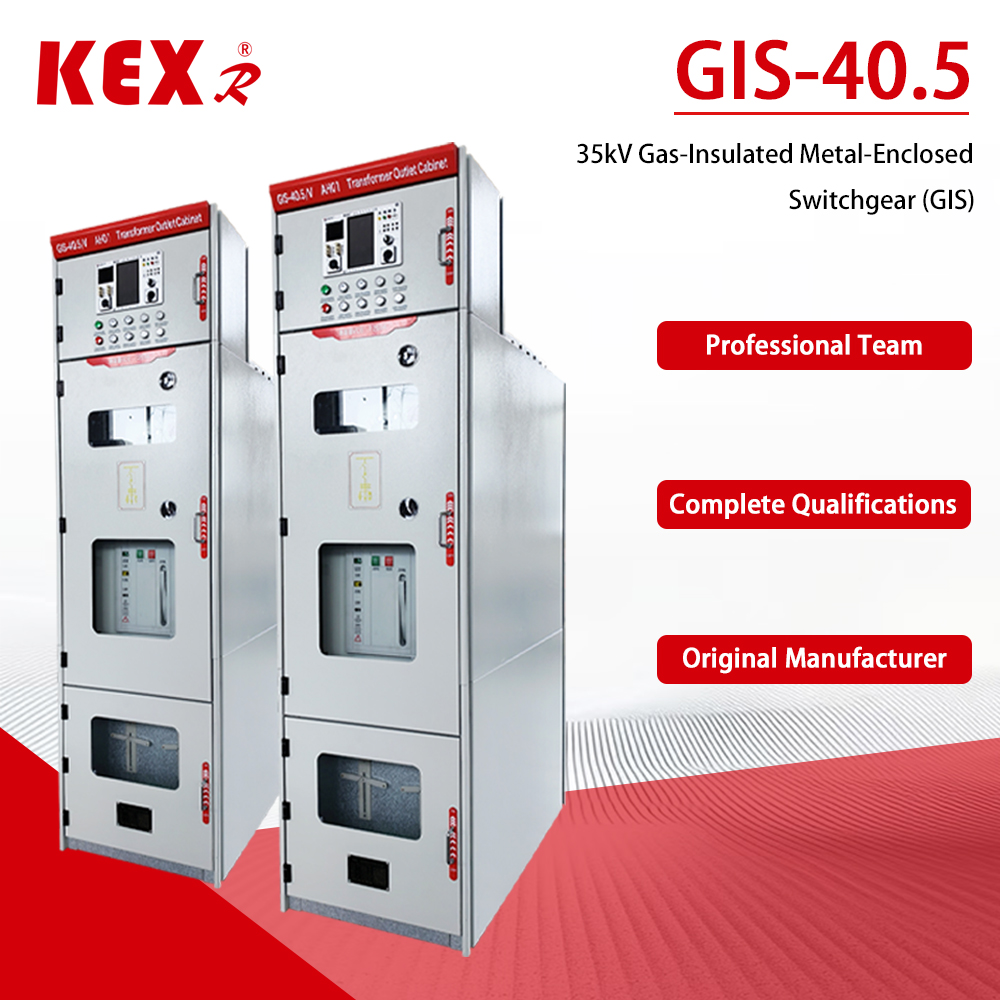
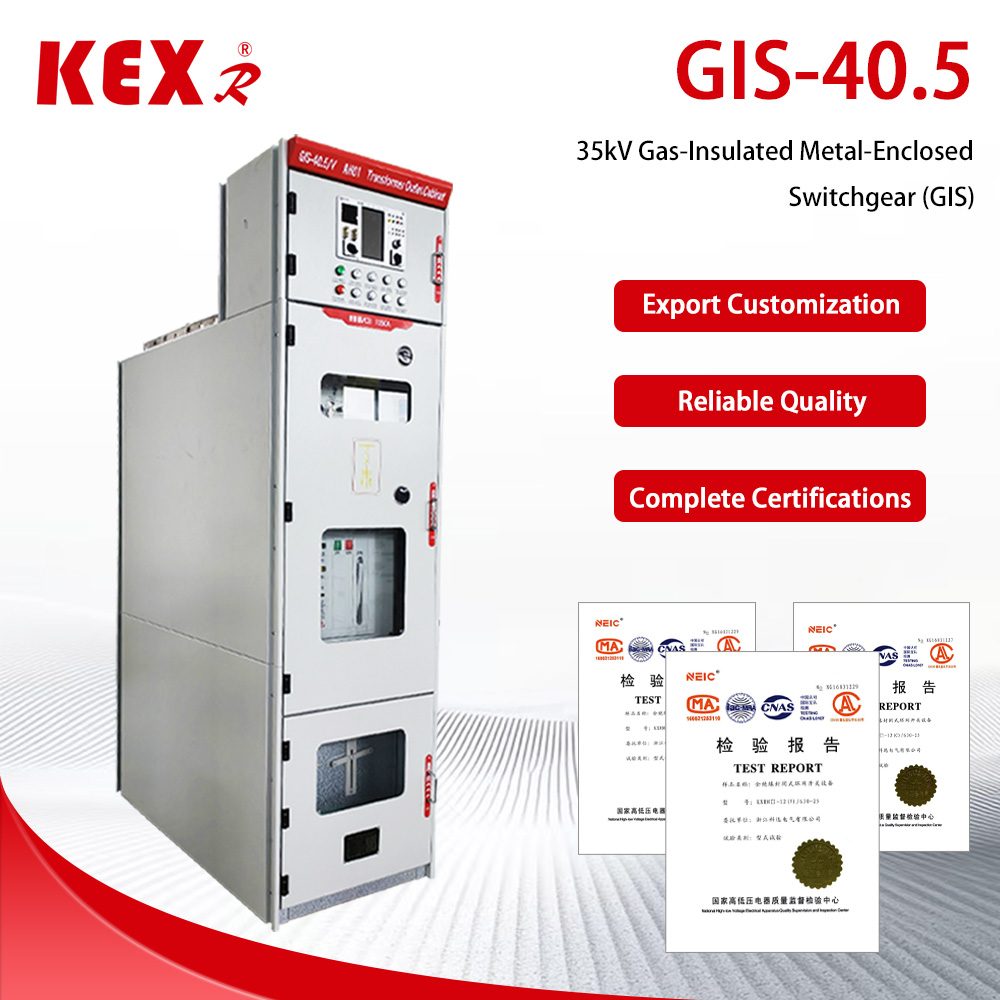
The 40.5kV C-GIS Cabinet (common in 35kV systems) is a successful extension of GIS technology to the medium voltage field. Its core design concept is as follows:
1.Fully sealed structure: all high-voltage live parts are sealed in a sealed gas box welded by stainless steel plates, which is completely isolated from the external environment.
2.Gas insulation: the gas box is filled with insulating gas to replace air as insulating medium. Common insulating gases include:
3.SF (sulfur hexafluoride): the traditional mainstream medium has excellent insulation performance, but it is facing environmental pressure because of its high greenhouse effect.
4.Environmental protection gas: In order to meet the goal of "double carbon", the market began to adopt dry air, nitrogen (N) or new environmental protection gas as alternatives to promote green development.
5.Vacuum circuit breaker: The core circuit breaker of switchgear usually adopts vacuum circuit breaker to complete the connection and disconnection of the circuit.
6.Modular design: the product is composed of several standard modules (such as circuit breaker module and bus module), which can be flexibly combined in the field and easily expanded.
Core Advantages and Applicable Scenarios
Compared with the traditional (air insulated panel), 40.5kV C-GIS has the following outstanding advantages, but it also needs to pay attention to its high initial cost:
1.Compact structure, saving space: because the gas insulation performance is far better than air, the size of the cabinet is greatly reduced. Compared with AIS of the same specification, the area occupied by C-GIS can be reduced by more than 50% or even as high as 76%, which is especially suitable for urban substations with tight land resources.
2.Strong environmental adaptability, safety and reliability: fully sealed design enables it to resist harsh environments such as high altitude, humidity, salt fog, pollution and condensation. The live parts are not exposed, and the safety is high. Even under zero gauge pressure (gas leakage), a certain insulation level can still be maintained.
3.Basically maintenance-free, reducing operation and maintenance costs: because the core components are isolated from the external environment, they are basically unaffected by dust and moisture, reaching the level of basic maintenance-free.
4.Higher initial investment: Due to the use of more sophisticated materials and processes (such as stainless steel, robot welding, helium leak detection, etc.), the initial procurement cost of C-GIS is usually higher than AIS.
With these advantages, C-GIS is widely used in new energy generation (photovoltaic, wind power) booster stations, urban distribution network transformation, rail transit, high-rise buildings, industrial and mining enterprises, data centers and substations in harsh environments (such as high altitude, coastal areas and high pollution industrial zones).
Structural and design features
In order to ensure the safety and reliability of equipment in the whole life cycle (up to 30 years or even longer), 40.5kV C-GIS has the following characteristics in structural design and manufacturing technology:
1.High-level protection: The protection level of the air box generally reaches IP67, which can resist the influence of short-term immersion.
2.Precision welding process: the gas box is usually made of 304 stainless steel plate with a thickness of 3mm, which is automatically laser welded by robots to ensure the strength and tightness of the weld.
3.Strict leak detection: after manufacturing, high-precision helium mass spectrometer leak detector will be used for detection to ensure that the annual leakage rate of SF gas is ≤0.1%, and some high-end products can even reach ≤0.01%.
4.Intelligent integration: A new generation of intelligent gis cabinet has built-in sensors such as temperature, partial discharge, mechanical characteristics, etc., which supports real-time state monitoring, remote control and fault early warning, and is an important part of realizing smart grid.
Related News
Leave me a message